Targets - Unit 2 - Classical Era - Chapter 5 - Eurasian Cultural Traditions

Targets - Unit 2 - Classical Era - Chapter 5 - Eurasian Cultural Traditions
Zoroastrianism: Persian monotheistic religion founded by the prophet Zarathustra. (pron. zor-ohAST-ree-an-ism)
Socrates: The first great Greek philosopher to turn rationalism toward questions of human existence

How to "WHAP" the Comparative FRQ

Notes: How to WHAP the Comparative FRQ
I'll post a YouTube video on this tomorrow night.
Yeah, it's like that with take home FRQ essays, too!

Agenda: Week of Sep 16 - Sep 20, 2013

Advanced Placement World History with Mr. Duez
Unit 1 - First Humans, Farmers, & Civilizations
& Unit 2 - Eurasian Empires, 500 BCE - 500 CE
WEEK AT A GLANCE:
MON: Reading Check Quiz Chapter 3; Work with documents from Unit 1
TUE: How to write the FRQ; Comparing... Paleolithic & Neolithic; Mesopotamia & Egypt; San & Chumash; Early China & Early India; Quick Review terms for Test
WED/THU: TEST UNIT 1; Introduce Unit 2; Present Rock Art Projects
FRI: FRQ is due in class already written (black ink, hand written)
Yeah, it's kinda like that.
________________________________________
Monday, Sep 16, 2013
Quote"I was taught that the human brain was the crowning glory of evolution so far, but I think it's a very poor scheme for survival." - Kurt Vonnegut

Learning Targets:
★To establish the relationship between the First Civilizations and the Agricultural Revolution
★To contrast civilizations with other forms of human communities
★To explore when, where, and how the First Civilizations arose in human history
★To explore how the emergence of civilizations transformed how humans lived and how their societies were structured
★To show the various ways in which civilizations differed from one another
★To explore the outcomes of the emergence of civilizations, both positive and negative, for humankind

Essential Questions:
1. What distinguished civilizations from other forms of human community?
2. How does the use of the term “civilization” by historians differ from that of popular usage? How do you use the term?
3. “Civilizations were held together largely by force.” Do you agree with this assessment, or were there other mechanisms of integration as well? 
4. In the development of the First Civilizations, what was gained for humankind, and what was lost?

Agenda:
1. DO NOW: Pick up document packet from front. This will be due right after the quiz. Prep for Reading Check Quiz Chapter 3. Remember to have your hand written notes (especially the terms and definitions from the Target Sheet).
2. READING CHECK QUIZ - Chapter 3 - First Civilizations
3. Analyze documents from Unit 1. Due at the end of the period.

Assignment:
Unit 1 FRQ is due on Friday.
Begin to study the notes, YouTube lectures, Target Sheets, and information at this link for Unit 1. Test over Unit 1 is Wed/Thu.
And they will probably last a little longer...
________________________________________
Tuesday, Sep 17, 2013
Quote"No matter how closely you examine the water, glucose, and electrolyte salts in the human brain, you can't find the point where these molecules became conscious." - Deepak Chopra
Learning Targets:
★To establish the relationship between the First Civilizations and the Agricultural Revolution
★To contrast civilizations with other forms of human communities
★To explore when, where, and how the First Civilizations arose in human history
★To explore how the emergence of civilizations transformed how humans lived and how their societies were structured
★To show the various ways in which civilizations differed from one another
★To explore the outcomes of the emergence of civilizations, both positive and negative, for humankind

Essential Questions:
1. What distinguished civilizations from other forms of human community?
2. How does the use of the term “civilization” by historians differ from that of popular usage? How do you use the term?
3. “Civilizations were held together largely by force.” Do you agree with this assessment, or were there other mechanisms of integration as well? 
4. In the development of the First Civilizations, what was gained for humankind, and what was lost?

Agenda:
1. DO NOW: In what ways did Egypt and Mesopotamia differ from one another? (Also: How were the Indian and Chinese river valley civilizations similar/different?)
2. Notes & Discussion: How to write the Comparative FRQ.

Assignment:
Unit 1 FRQ is due on Friday.
Begin to study the notes, YouTube lectures, Target Sheets, and information at this link for Unit 1. Test over Unit 1 is Wed/Thu.
Eurasian Empires is the topic of Chapter 4. "Use the force, young ones."
________________________________________
Wednesday, Sep 18, 2013 & Thursday, Sep 19, 2013
Quote"Everything we do, every thought we've ever had, is produced by the human brain. But exactly how it operates remains one of the biggest unsolved mysteries, and it seems the more we probe its secrets, the more surprises we find." - Neil deGrasse Tyson

Learning Targets:
★To establish the relationship between the First Civilizations and the Agricultural Revolution
★To contrast civilizations with other forms of human communities
★To explore when, where, and how the First Civilizations arose in human history
★To explore how the emergence of civilizations transformed how humans lived and how their societies were structured
★To show the various ways in which civilizations differed from one another
★To explore the outcomes of the emergence of civilizations, both positive and negative, for humankind

Essential Questions:
1. What distinguished civilizations from other forms of human community?
2. How does the use of the term “civilization” by historians differ from that of popular usage? How do you use the term?
3. “Civilizations were held together largely by force.” Do you agree with this assessment, or were there other mechanisms of integration as well? 
4. In the development of the First Civilizations, what was gained for humankind, and what was lost?

Agenda:
1. DO NOW: Prep for Unit 1 TEST. You will have 1/2 the period for the test. No extra time.
2. Document Study Chapter 4: After the test, pick up the Chapter 4 Documents, read & annotate.
3. Introduction to Unit 2 & Chapter 4 - Eurasian Empire. What is Empire?
4. Unit 1 FRQ: Discuss any questions that students may have regarding the FRQ due on Friday over Unit 1.

Assignment:
Unit 1 FRQ is due on Friday.
Begin to study the notes, YouTube lectures, Target Sheets, and information at this link for Unit 1. Quiz over Chapter 4 is Monday.
"Occupy Dock Bay" - The Stormtroopers unionize. There goes the empire!
________________________________________
Friday, Sep 20, 2013
Quote: "Science is nothing but perception." - Plato
Learning Targets:
★ Define the characteristics of imperial systems in the classical era and analyze why empires developed in some regions but not in others.
★ Compare the important similarities and differences between imperial systems and the reasons behind them
★ Explain the significance that classical empires have for us today, such as, representative government, military power, etc.
★ Evaluate the “greatness” of the Roman Empire and China’s Han Dynasty and determine if their destructive and oppressive features outweighed their impressive advances.

Essential Questions:
1. What common features can you identify in the empires described in this chapter?
2. In what ways did these empires differ from one another? What accounts for those differences?
3. Are you more impressed with the “greatness” of empires or with their destructive and oppressive features? Why? 
4. Do you think that the classical empires hold “lessons” for the present, or are contemporary circumstances sufficiently unique as to render the distant past irrelevant?

Agenda:
1. DO NOW: Prepare your FRQ to be handed to Mr. Duez. Unit 1 FRQ
2. Chapter 4 Documents: Cooperative teams - discuss the Chapter 4 documents.
3. Crash Course World History #4 - Persians & Greeks

Assignment:
Begin to study the notes, YouTube lectures, Target Sheets, and information at this link for Unit 1. Quiz over Chapter 4 is Monday.

Notes - Chapter 3 - First Civilizations

YouTube - Chapter 3 - First Civilizations - Part I Egypt & Mesopotamia
YouTube - Chapter 3 - First Civilizations - Part II Indus Valley, China, Olmec, Norte Chico

Notes - Unit 1 - Chapter 1 - First Humans

YouTube: Chapter 1 - First Humans

Mr. Duez Notes - Chapter 1: First Humans
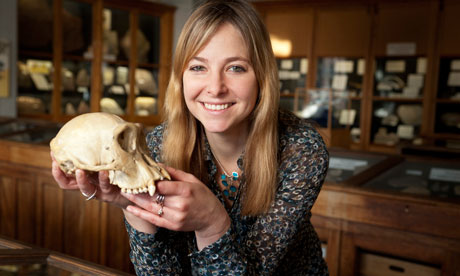
Dr Alice Roberts - Anatomist, Anthropologist, TV Presenter, Awesome.

Rock Art Project

On Wed/Thu and Friday of this week, students will be focusing on telling their own personal story. First we will create a simple & small rock art poster. Then we will write a personal narrative history. Directions are included on this presentation. All work will be done in class.

Unit 1 is, by far, the easiest and simplest unit we study. Remember, we are in a "flipped" class so the lectures and learning we would typically be doing in class are going to be on the website (more videos will be uploaded tonight and all of 1-3 will be completed this weekend - the test is Wed/Thu). Getting to know each other in a deeper and more meaningful way in the first two weeks will pay dividends down the road. When we are really sinking our teeth into the difficult portions of world history, we will be able to help each other. Plus, this can be a lot of fun. We certainly all work hard enough to enjoy a little time in class as well, right?

PRESENTATION-WHAP-UNIT-1-ROCK-ART-PROJECT
The Rock Art of the San (Africa).

Agenda: Week of Sep 9 - Sep 13, 2013

Advanced Placement World History with Mr. Duez
Unit 1 - First Things First, to 500 BCE
Ch. 1 First Humans, Ch. 2 First Farmers, Ch. 3 First Civilizations
WEEK AT A GLANCE:
MON: Reading Check Quiz CH 1 & 2; Andrew Marr's "Survival" (first few min)
TUE: Guns, Germs, & Steel: Episode I "Out of Eden"
WED/THU: Unit 1 Document Study; Competitive Quizzing
FRI: Review Essays from 6 Glasses Test; Talk about FRQ strategies
______________________________________________
Monday, Sep 9, 2013
Quote: “People often say that motivation doesn't last. Well, neither does bathing – that’s why we recommend it daily.” - Zig Ziglar

Learning Targets:
To familiarize students with the spread of human societies in the Paleolithic era
To explore the conditions of life in gathering and hunting societies
To examine factors that eventually led to change in the gathering and hunting societies

Essential Questions:
1. What is the significance of the Paleolithic era in world history?
2. In what ways did various Paleolithic societies differ from one another, and how did they change over time?
3. What statements in this chapter seem to be reliable and solidly based on facts, and which ones are more speculative and uncertain?
4. How might our attitudes toward the modern world influence our assessment of Paleolithic societies?
5. In what ways, and why, did Chumash culture differ from that of the San?
6. Why did some Paleolithic peoples abandon earlier, more nomadic ways and begin to live a more settled life?

Agenda:
1. DO NOW: Prep for Reading Check Quiz. You may use any hand written notes. NOTHING PRINTED.
2. Reading Check Quiz - Chapter 1 and Chapter 2
3. Andrew Marr's "History of the World" Episode 1 "Survival" (we'll see the first 10 minutes or so and discuss, relating to Strayer)
Andrew Marr introduces his "History of the World" - his book
Assignment:
Read Chapters 1, 2, and 3. Use the Target Sheet. Learn the definitions.
Watch the video notes Mr. Duez has posted.
Unit 1 Test is next Wed/Thu
______________________________________________
Tuesday, Sep 10, 2013
Quote: "If you want to achieve excellence, you can get there today. As of this second, quit doing less-than-excellent work." - Thomas J. Watson
GGAS - Much better than having
to read the book!

Learning Targets:
To make students aware that agriculture evolved independently in several regions of the world
To trace the development of agriculture and its local variations
To consider the social implications of the Agricultural Revolution

Essential Questions:
1. The Agricultural Revolution marked a decisive turning point in human history. What evidence might you offer to support this claim, and how might you argue against it?
2. How did early agricultural societies differ from those of the Paleolithic era? How does the example of settled gathering and hunting peoples such as the Chumash complicate this comparison?
3. Was the Agricultural Revolution inevitable? Why did it occur so late in the story of humankind?
4. “The Agricultural Revolution provides evidence for ‘progress’ in human affairs.” How would you evaluate this statement?
5. What accounts for the emergence of agriculture after countless millennia of human life without it?
6. What different kinds of societies emerged out of the Agricultural Revolution?

Agenda:
1. DO NOW: Viewing Guide: Copy the questions on the overhead for Guns, Germs, and Steel.
2. Video Study: Guns, Germs, and Steel, episode 1: "Out of Eden." Students will watch the video and take notes. Students should also answer the questions from the DO NOW in their notes. We will discuss the video throughout.

Assignment:
Read Chapters 1, 2, and 3. Use the Target Sheet. Learn the definitions.
Watch the video notes Mr. Duez has posted.
Unit 1 Test is next Wed/Thu
______________________________________________
Wednesday, Sep 11 & Thursday, Sep 12, 2013
Quote: "Adversity is the state in which man mostly easily becomes acquainted with himself, being especially free of admirers then." - John Wooden

Learning Targets:
Understand the need for art in the human condition and its purpose in facilitating imagination, knowledge, and understanding.

Essential Questions:
1. Why did paleolithic peoples create cave rock art?
2. What is it about the human condition that makes us want to connect with previous and future generations?
3. What is history?

Agenda:
1. DO NOW: What is history?
***First finish the discussion & video on Guns, Germs, and Steel.***
2. Intro Rock Art Project.
3. Project: Work on your design on a regular sheet of paper. Then we will transfer it over to brown paper bag (to represent the "Rock"). Each class will have a "Rock Wall" outside of the classroom.
4. Present Rock Art Projects.

This day may seem like we aren't doing history, however it is my opinion that to do great work in this class we need to be comfortable. We need to know each other well. The project will help introduce everyone and share our diverse interests and talents. Plus, learning about leaving a legacy, art history, and taking time to be creative is always important in life. Remember, we are in a "flipped" classroom. This means that you will need to be working at home on Strayer and watching the video lectures. In class we are making big connections, working on writing, and working cooperatively to understand history deeply.

Assignment:
Read Chapters 1, 2, and 3. Use the Target Sheet. Learn the definitions.
Watch the video notes Mr. Duez has posted.
Unit 1 Test is next Wed/Thu
______________________________________________
Friday, Sep 13, 2013
Quote: "Very superstitious, nothin' more to say
Very superstitious, the devil's on his way
Thirteen month old baby broke the lookin' glass
Seven years of bad luck, good things in your past"
    - Stevie Wonder, Superstition
Are you 'very superstitious'?
Learning Targets:
1. Understand that the Comparative Essay is one of three FRQ questions on the AP Exam.
2. A direct comparison means that you will connect both topics that you are comparing in each paragraph.
3. You must describe both similarities & differences; as well as analyze WHY many of them exist.
4. The thesis statement is the key to the entire essay. It is the answer to the prompt. Without a thesis statement, your essay will not be given a score.
5. There are literally no wrong thesis statements. You either prove them with your evidence, or you have fallen short of the mark and have been unconvincing.

Essential Questions:
1. Why do we write in history?
2. How do historians write?
3. What do I do if the prompt seems completely VAGUE?

Agenda:
1. DO NOW: Pick up the AP Acronyms Handout & FRQ Essay Assignment - due Next Friday in class completed.
2. Review the 6 Glasses essays. Discuss best practices, show examples of great work. Emphasis on Thesis and the "Comparative Essay."
3. Cover the key points to the WHAP-COMPARISON-ESSAY-INTRO-THESIS notes on writing.

Assignment:
Read Chapters 1, 2, and 3. Use the Target Sheet. Learn the definitions.
Watch the video notes Mr. Duez has posted.
Unit 1 Test is next Wed/Thu
FRQ is due next Friday. It is to be completed out of class and will be turned in as soon as class begins.

Agenda: Sept 2 - Sept 6, 2013

Advanced Placement World History with Mr. Duez
Summer Reading Unit - Standage - Six Glasses
Week at a Glance:
MON - LABOR DAY - No School. YES!
TUE - 6 Glasses epilogue; review for the test
WED/THU - TEST - 6 Glasses; Pick up article - Diamond, "Worst Mistake" read & annotate
FRI - Diamond article due; Socratic Discussion
MON next week - Quiz Chapter 1 & 2.
__________________________________________
Tuesday, September 3, 2013
Quote: "I am a great believer in luck. I find that the harder I work, the more I have of it." - Thomas Jefferson
What is Labor Day celebrating? (it's not barbecue or football!) 
Targets:
Examination of the major themes of WHAP:
The course covers these 6 themes:
Theme 1: Interaction Between Humans and the Environment
Theme 2: Development and Interaction of Cultures
Theme 3: State-Building, Expansion, and Conflict
Theme 4: Creation, Expansion, and Interaction of Economic Systems
Theme 5: Development and Transformation of Social Structures

1. How was beer "essential" to human civilization?
2. How did the use of wine in Roman culture differ from that of ancient Greece?
3. Why do Christians Drink Wine and Muslims Do Not?
4. How did Columbian Exchange change the globe?
5. What is colonization and how to British imperial power change the world?
6. How does 'coca-colonization' explain American dominance in the 20th century?

Agenda:
1. DO NOW - Pick up the 6 Glasses Epilogue from the front desk. Annotate.
2. Water taste test. Students will volunteer to take the, "Is it bottled or tap?" test.
3. Quick informative quiz - what words should be associated with each of the six drinks Standage refers to in his book? (Example, Age of Reasoning = Coffee)
4. Video - CBS Sunday Morning - A Drink To History (June 11, 2006)
Mark Phillips speaks with Tom Standage, the author of "A History of the World in 6 Glasses," about the influence of beer, wine, spirits, coffee, tea and cola from the stone-age until the present.

Bring your notes, 3 ring binder, and your brain to class. We will use them in class each day. 
__________________________________________
Wednesday, Sept 4, 2013 & Thursday, Sept. 5, 2013
Quote: "Unless you pay the price for success, you will not know it's worth." - Apoorve Dubey

Part 1 - First Things First Beginnings in History, to 500 BCE
To familiarize students with the spread of human societies in the Paleolithic era
To explore the conditions of life in gathering and hunting societies
To examine factors that eventually led to change in the gathering and hunting societies 

1. What is the significance of the Paleolithic era in world history?
2. In what ways did various Paleolithic societies differ from one another, and how did they change over time?
3. What statements in this chapter seem to be reliable and solidly based on facts, and which ones are more speculative and uncertain?
4. How might our attitudes toward the modern world influence our assessment of Paleolithic societies?

Agenda:
1. TEST - Summer Reading - A History of the World in Six Glasses
2. Diamond's Worst Mistake - Students will pick up Jared Diamond's "Worst Mistake" and read/annotate it after they finish the test. If time permits, we will discuss the article at the end of the period.

Assignment: 
Review the notes from Unit 1, either by presentation or Mr. Duez's video. Read Strayer Chapters 1 and 2. Use the Target Sheet for Unit 1. Know your vocabulary for the quiz - along with hand written notes.
Bring your notes, 3 ring binder, and your brain to class. We will use them in class each day. 
Quiz over Chapter 1 and 2 on Monday.
The multi-talented Jared Diamond
__________________________________________
Friday, Sept. 6, 2013
Quote: “Even if you’re on the right track, you’ll get run over if you just sit there. - Will Rogers

Part 1 - First Things First Beginnings in History, to 500 BCE
To familiarize students with the spread of human societies in the Paleolithic era
To explore the conditions of life in gathering and hunting societies
To examine factors that eventually led to change in the gathering and hunting societies 

1. What is the significance of the Paleolithic era in world history?
2. In what ways did various Paleolithic societies differ from one another, and how did they change over time?
3. What statements in this chapter seem to be reliable and solidly based on facts, and which ones are more speculative and uncertain?
4. How might our attitudes toward the modern world influence our assessment of Paleolithic societies?

Agenda:
1. DO NOW - In what ways, and why, did the Chumash culture differ from that of the San? (Strayer p. 29)
2. Socratic Text Based Discussion - Diamond's Worst Mistake
3. Crash Course WH Video: If time remains, watch & discuss: Crash Course World History #1 - Agricultural Revolution

Assignment: 
Review the notes from Unit 1, either by presentation or Mr. Duez's video. Read Strayer Chapters 1 and 2. Use the Target Sheet for Unit 1. Know your vocabulary for the quiz - along with hand written notes.
Bring your notes, 3 ring binder, and your brain to class. We will use them in class each day. 
Quiz over Chapter 1 and 2 on Monday.

What is the flipped classroom?

YouTube Video: How the Flipped Classroom Works.

Agenda: August 26, 2013 - August 30, 2013 - Summer Reading

Advanced Placement World History with Mr. Duez
Summer Reading Unit - Standage - Six Glasses
Week at a Glance:
MON - Welcome, Syllabus, Ground rules
TUE - How to use the website, what is a flipped class?, 6 Glasses Groups
WED/THU - Periodization, Themes, & Historical Thinking with 6 Glasses
FRI - Quiz over Standage. Review the quiz results.
______________________________
How will  you ever survive AP World History?


Although we didn't read Guns, Germs, & Steel (we will watch the documentary in the next couple of weeks!) or Salt, this video will help you understand some of the survival tactics surrounding WHAP.

______________________________
Monday, August 26, 2013
Quote: "Begin with the end in mind."

Unit: Introduction to Course: Summer Reading Discussion - A History of the World in 6 Glasses by Tom Standage


Targets:
1. Clearly understand the scope and procedures of WHAP.
2. Examine the major themes of the WHAP course.
3. Understand expectations regarding summer reading text?


Essential Questions:
1. What is World History?
2. What is Advanced Placement?
3. Why Standage and Six Glasses?

Agenda:
1. DO NOW - Pick up a syllabus on the table. Read, mark, and write down any questions you have as Mr. Duez takes attendance.
2. Welcome to World History ADVANCED PLACEMENT
Discuss the summer reading, syllabus, course objectives.

Assignment: 

Fill out the student survey. This is your first grade.
Watch the screencasts over Six Glasses, take notes.
Bring your notes, 3 ring binder, and your brain to class. We will use them in class each day.
Quiz is on Friday. Test is next Wed/Thu.
Did you read 6 glasses at the beach? :) 
______________________________
Tuesday, August 27, 2013
Quote: "A journey of a thousand miles begins with a single step." - Laozi

Unit: Introduction to Course And Summer Reading Discussion - A History of the World in 6 Glasses by Tom Standage

Targets:
Examination of the major themes of WHAP:
Theme 1: Interaction Between Humans and the Environment
Theme 2: Development and Interaction of Cultures
Theme 3: State-Building, Expansion, and Conflict

Theme 4: Creation, Expansion, and Interaction of Economic Systems
Theme 5: Development and Transformation of Social Structures

Essential Questions:
1. Which two of the six glasses that Standage refers to are the most similar? How & Why?
2. Which 2 are the most different? How & Why?
3. Can you group them in twos? How & Why?

Agenda:
1. DO NOW: Which of the two six glasses that Standage refers to are the most similar? Explain How & Why?
2. The History of the World in 7 Minutes. Students will watch the video clip. Then they will discuss in groups. What is the video attempting to show? Can you explain the first drink that Standage refers to in context with the video clip?
3. Students will discuss six glasses in terms of groups. Which have similar characteristics? Which drinks contributed to world history in similar ways?

Assignment: 
Fill out the student survey. This is your first grade.
Watch the screencasts over Six Glasses, take notes
Bring your notes, 3 ring binder, and your brain to class. We will use them in class each day. 
Quiz is on Friday. Test is next Wed/Thu.
______________________________
Wed. & Thu. August 28 & 29, 2013
Quote: “Great minds discuss ideas. Average minds discuss events. Small minds discuss people.” - Eleanor Roosevelt

Unit: Introduction to Course And Summer Reading Discussion - A History of the World in 6 Glasses by Tom Standage

Targets:
Examination of the major themes of WHAP:
Theme 1: Interaction Between Humans and the Environment
Theme 2: Development and Interaction of Cultures
Theme 3: State-Building, Expansion, and Conflict
Theme 4: Creation, Expansion, and Interaction of Economic Systems
Theme 5: Development and Transformation of Social Structures

Also discuss periodization through the summer reading:

Can you explain the major events from each period that can be tied back to each drink?
Essential Questions:
1. How was beer "essential" to human civilization?
2. How did the use of wine in Roman culture differ from that of ancient Greece?
3. Why do Christians Drink Wine and Muslims Do Not?
4. How did Columbian Exchange change the globe?
5. What is colonization and how to British imperial power change the world?
6. How does 'coca-colonization' explain American dominance in the 20th century?

Agenda:
1. DO NOW: Students will pick up the Introduction to Six Glasses. They will annotate the text by following directions at the top. 
2. Group Discussion: Students will copy down the periods of world history written on the board. Using their notes, they will pencil in each of the six glasses to where they correspond. Next students will write the important historical events that occur during those time periods. Working in groups, students will put their heads together to fill out the board and have a better understanding of how Standage's Six Glasses connect with world history.

Discuss these questions in groups and then as a full class:
A. What was the impact of beer and wine on world history? 
B. Explain what a spirit drink is and what is the significance of this drink on world history?
C. How is coffee a "revolutionary" drink?
D. How is Tea and Coca-Cola similar? Students will discuss the impact of trade on the globalization of the planet. 

Assignment: 
Fill out the student survey. This is your first grade.
Watch the screencasts over Six Glasses, take notes
Bring your notes, 3 ring binder, and your brain to class. We will use them in class each day. 
Quiz is on Friday. Test is next Wed/Thu.

AHS 2011 Lip Dub - just what you need to prepare some "pep" for the rally.
AHS Alma Mater - know the words. English teachers demand it. :)
______________________________
Friday, Aug. 30, 2013 -- shortened periods due to extended Advisory for AHS Pep Rally
Quote: “If opportunity doesn't knock, build a door.” - Milton Berle

Unit: Introduction to Course And Summer Reading Discussion - A History of the World in 6 Glasses by Tom Standage

Targets:
Examination of the major themes of WHAP:
The course covers these 6 themes:
Theme 1: Interaction Between Humans and the Environment
Theme 2: Development and Interaction of Cultures
Theme 3: State-Building, Expansion, and Conflict
Theme 4: Creation, Expansion, and Interaction of Economic Systems
Theme 5: Development and Transformation of Social Structures

Essential Questions:
1. How was beer "essential" to human civilization?
2. How did the use of wine in Roman culture differ from that of ancient Greece?
3. Why do Christians Drink Wine and Muslims Do Not?
4. How did Columbian Exchange change the globe?
5. What is colonization and how to British imperial power change the world?
6. How does 'coca-colonization' explain American dominance in the 20th century?

Agenda:
1. Quiz over Six Glasses.
2. Review the quiz and answers. 

Assignment: 

Fill out the student survey. This is your first grade.
Watch the screencasts over Six Glasses, take notes
Bring your notes, 3 ring binder, and your brain to class. We will use them in class each day. 
Test is next Wed/Thu.